U.S. Takes A Business As Usual Approach to Managing Struggling Billfish Stocks


 Reading Time 2 minutes
This week we submitted comments encouraging National Marine Fisheries Service to change their business as usual tactics for managing billfish which relies on limiting landed catch. NMFS published a proposed rule meant to align U.S. regulations with an international agreement to rebuild striped marlin. However, the regulation would not place any additional requirements on the U.S. Pacific longline fleet except to require discard of all striped marlin after a landed catch limit is reached. This activity will not reduce the mortality of striped marlin caused by U.S. vessels and does not meet the U.S. requirements to adopt domestic regulations that manage the U.S. catch of striped marlin consistent with international management. We asked NMFS to instead analyze alternatives to manage Pacific striped marlin that:
- count all catch towards the annual catch limit,
- require boat side management measures including lowering the depth of top hooks,
- require release of all live striped marlin,
- establish a minimum size limit for stipend marlin retention,
- implement time area closures to reduce the catch of striped marlin during sensitive life stages, and
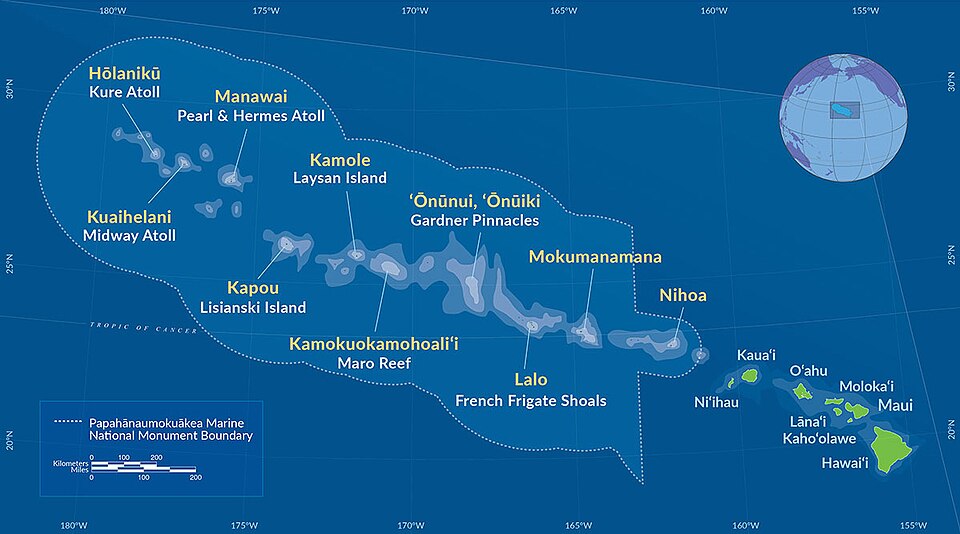
- maintain the closure of Papahānaumokuākea Marine National Monument to longline fishing.
A scientifically sound rebuilding plan includes total fishing mortality including both retained catch and discarded fish removed from the population. A rebuilding plan sets a total annual catch to ensure the stock can rebuild to its target level within a specified time-frame, and these limits must consider all sources of fishing mortality, including discards. Failure to count all catch and discarded catch is akin to failing to reconcile all withdrawals from an investment account. The investment account will fail to meet the goals for growth and sustained long-term withdrawals.
Catch limits alone may not shield striped marlin from excess fishing mortality. Once the catch limit is reached, unless the fisheries are closed, fleets will continue their pursuit of target species,
and catch, kill and discard striped marlin as by catch. Supplemental conservation measures that reduce catch can help avoid reaching and then exceeding the catch limit. Accordingly, we
support adoption of annual limits along with robust complementary conservation and management measures. You can read our complete letter submitted with the International Game Fish Association HERE.