Five Recreational Fishing Organizations Unite to Fund Stanford Pacific Bluefin Tuna Migration Research

 Reading Time 2 minutes
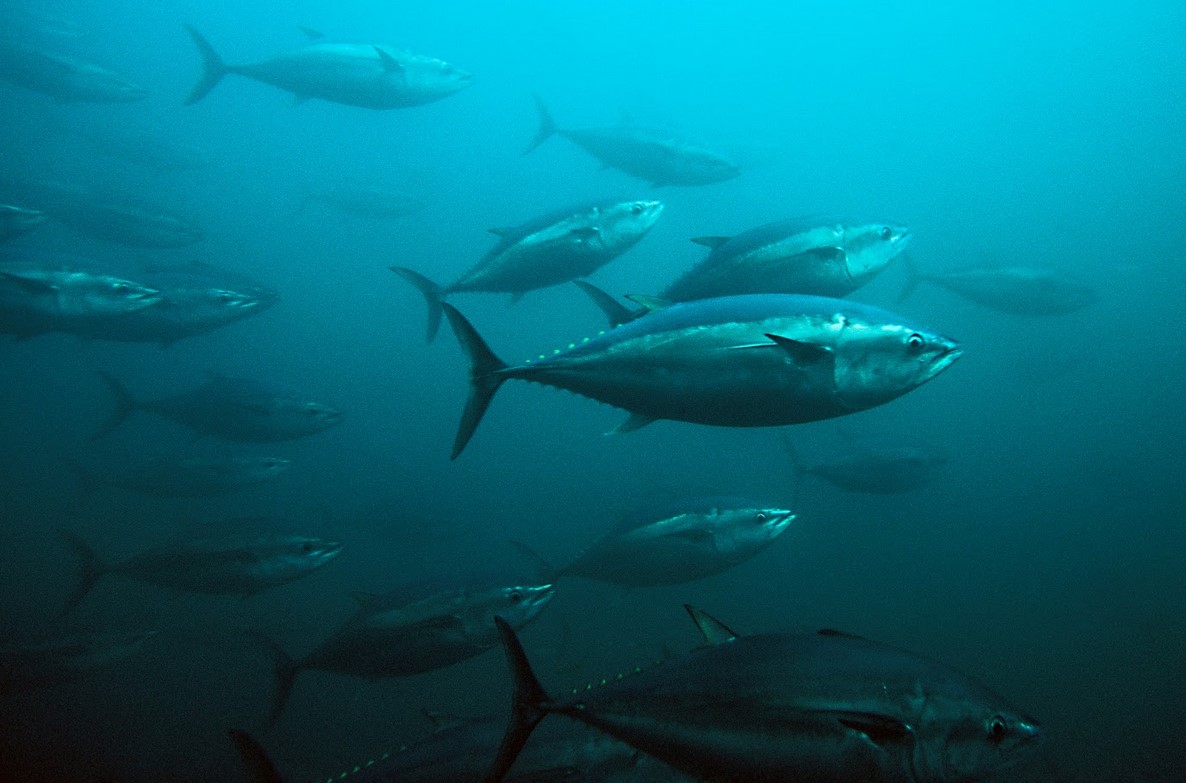
A coalition of five leading recreational fishing organizations — American Sportfishing Association, Coastal Conservation Association National, Coastal Conservation Association California, International Game Fish Association, and Wild Oceans — has joined forces to support a new scientific initiative led by researchers at Stanford University to better understand and protect Pacific bluefin tuna (PBT), one of the most ecologically significant and recreationally important species in the Pacific Ocean. The study, led by Dr. Barbara Block and Dr. Emilius Aalto of Stanford’s Hopkins Marine Station, will draw on more than two decades of electronic tagging data with over 100,000 days of tracking of 450 pacific bluefin tuna to model the effects of multi-year migrations on the population dynamics of Pacific bluefin tuna across the Pacific Ocean. In addition, otolith and microchemistry data will also be incorporated where available.
Pacific bluefin tuna sustainability depends on a coordinated international effort and development of a long-term harvest strategy, a pre-agreed framework for making fishery management decisions. Dr. Block’s proposal will help fill in the gaps in our understanding of bluefin spawning, recruitment, and migration to ensure the harvest strategy yields the results we all desire: a robust spawning stock and fishing opportunities for future generations.